
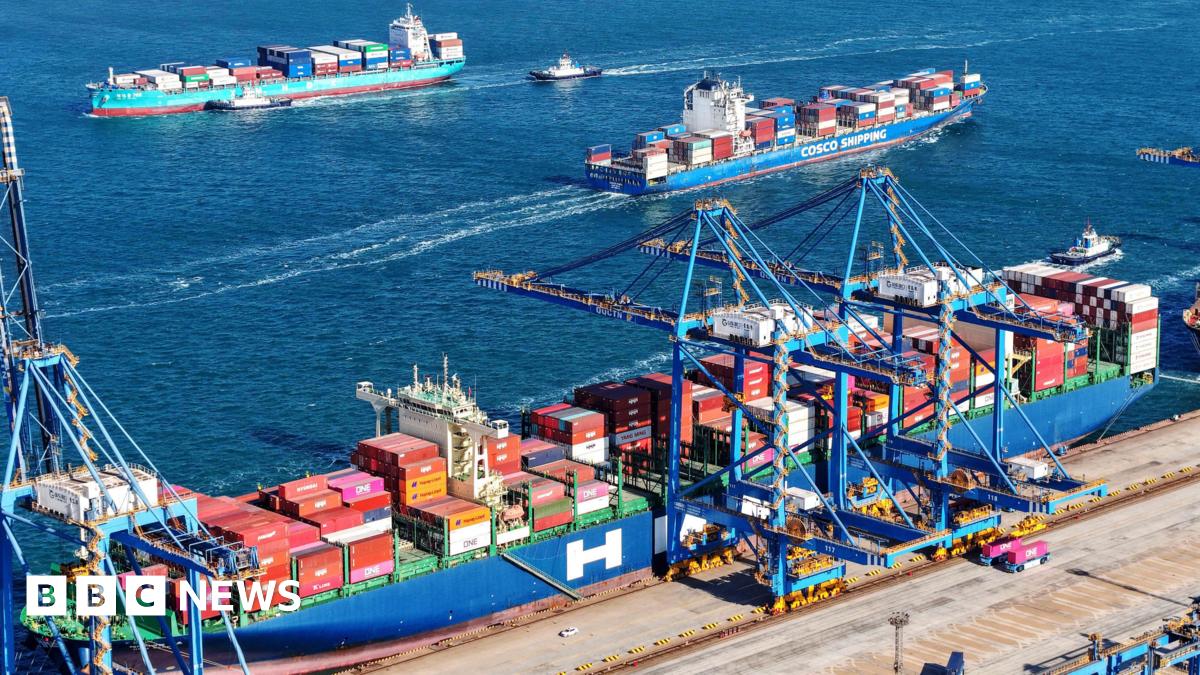

China’s latest tariffs on US goods include a 15% border tax on imports of US coal and liquefied natural gas products. There is also a 10% tariff on American crude oil, agricultural machinery and large-engine cars.
Last week, Chinese authorities launched an anti-monopoly probe into technology giant Google, while PVH, the US owner of designer brands Calvin Klein and Tommy Hilfiger, was added to Beijing’s so-called “unreliable entity” list.
China has also imposed export controls on 25 rare metals, some of which are key components for many electrical products and military equipment.
Trump’s announcement over the weekend of plans to impose a 25% tax on the US’s steel and aluminium imports comes days after he reached deals with Canada and Mexico to avoid 25% tariffs that he had threatened on all goods from the countries.
He introduced similar measures during his first term as president, imposing 25% tariffs on steel and 10% on aluminium, but later granted several trading partners duty-free quotas – including Canada, Mexico and Brazil.

The EU import taxes were not resolved until the Biden administration took over the White House.
There was no mention on Sunday of which countries, if any, would be granted similar exemptions if these new tariffs are implemented in the following days.
His intention to implement reciprocal tariffs would fulfil an election campaign pledge to levy tariffs at the same rates that are imposed on US goods.
He also said import taxes for vehicles remained on the table after reports he was considering exemptions to universal tariffs.
Trump has repeatedly complained that European Union (EU) tariffs on imports of American cars are much higher than US levies.
Last week, Trump told the BBC tariffs on EU goods could happen “pretty soon” – but suggested a deal could be “worked out” with the UK.
https://www.bbc.com/news/articles/cvg8zg7ll09o,
GO TO SAUBIO DIGITAL FOR MORE ANSWERS AND INFORMATION ON ANY TOPIC



