

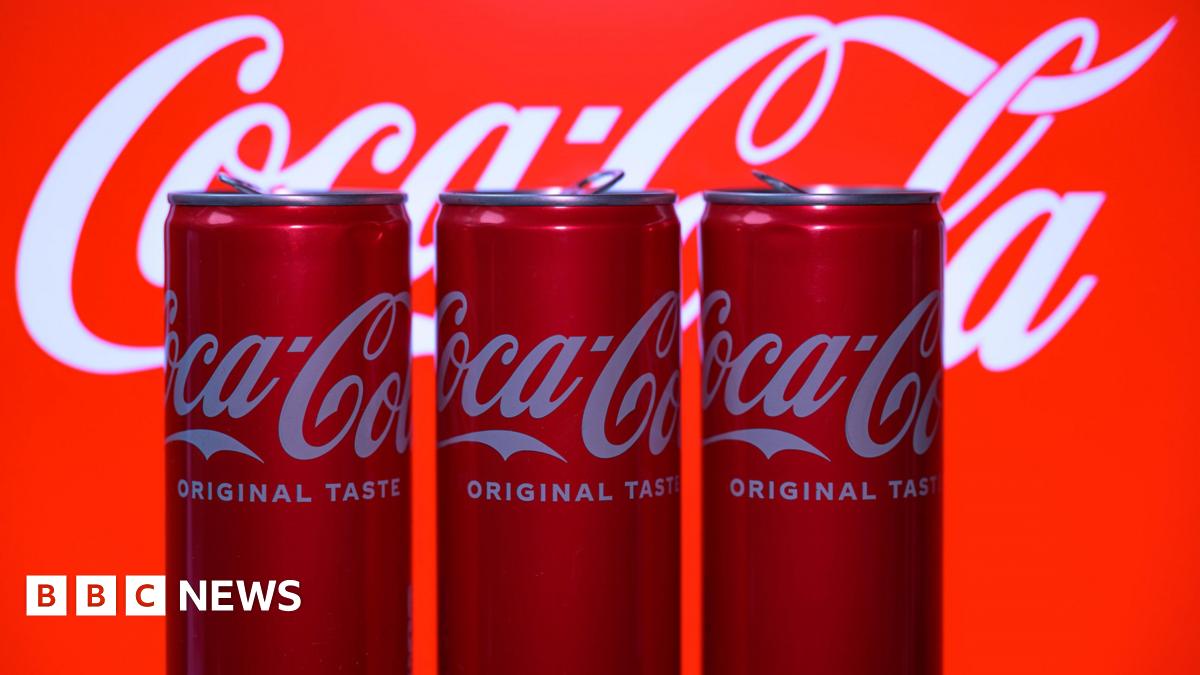

“Independent expert analysis concludes that any associated risk for consumers is very low,” a spokesperson told the BBC.
Coca-Cola said it had not received any consumer complaints in Great Britain, and that it had “alerted the authorities on this matter and will continue to collaborate with them.”
The company did not specify which products have been affected in the UK but said the five product lines were shipped to the UK towards the end of last year.
Anne Gravett from the Food Standards Agency said it was investigating.
“If we identify any unsafe food, we’ll take action to ensure it is removed and alert consumers,” she added.

Exposure to high levels of chlorate can cause health problems including thyroid problems, especially among children and infants.
NHS and private nutritionist Caron Grazette told the BBC: “We need to question whether or not we want to digest chemicals in soft drinks which are used in the production of fireworks and disinfectants, however small the quantity”.
Chlorate’s effects on humans when taken in excess include nausea, vomiting, diarrhoea, and limiting the blood’s ability to absorb oxygen, added Ms Grazette, citing recent research into the chemical.
The higher levels of chlorate were discovered during routine testing at the company’s production facility in Ghent, Belgium, according to an unnamed company spokesperson quoted by the AFP news agency.
The majority of unsold products had been withdrawn from shelves, according to AFP, and the company was in the process of withdrawing the rest.
A Coca-Cola spokesperson said it “considers the quality and safety of its products as its top priority”.
https://www.bbc.com/news/articles/c3rwv9j74q9o,
GO TO SAUBIO DIGITAL FOR MORE ANSWERS AND INFORMATION ON ANY TOPIC


